
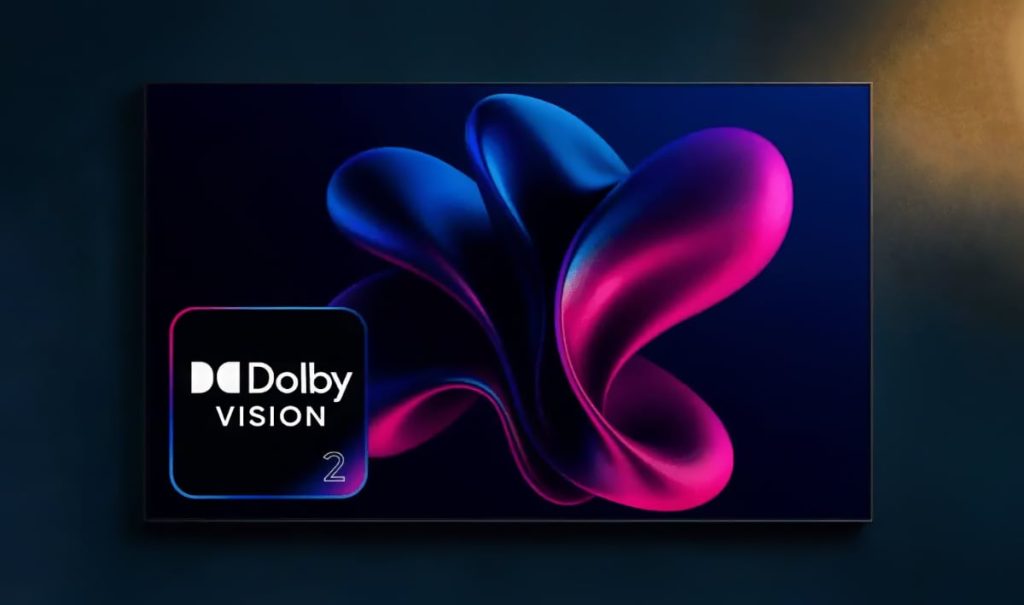
Philips has become the first TV brand to officially announce support for Dolby Vision 2, confirming that its 2026 OLED TVs will showcase Dolby’s next-generation picture technology.
The move starts with the upcoming Philips OLED811 series and will later roll out to the flagship OLED900 models, as well as premium Mini-LED and DLED sets launching later in the year.
That early commitment matters because Dolby Vision 2 isn’t just a minor tweak. It’s a substantial evolution of Dolby Vision, designed to push modern TVs further by taking advantage of brighter panels, better colour performance and smarter processing.
Philips’ new lineup will be powered by the MediaTek Pentonic 800 with MiraVision Pro, the first chip to integrate Dolby Vision 2, putting the brand at the forefront of next-gen picture standards.
At its core, Dolby Vision 2 introduces a new image engine and Content Intelligence system informed by over a decade of feedback from filmmakers and studios. The idea is to better translate creative intent to the living room, automatically adapting the picture based on what you’re watching and the environment you’re watching it in.
Key features include Precision Black, which tackles one of the most common HDR complaints by improving clarity in dark scenes without crushing detail, and Light Sense 2, which uses ambient light detection and new reference data from the content itself to adjust the image for daytime or nighttime viewing.
There’s also dedicated sports and gaming optimisation, designed to improve motion handling, white balance and clarity for fast-paced content.
Dolby Vision 2 will be offered in two tiers. The standard version aims to dramatically elevate picture quality across a broad range of TVs, while Dolby Vision 2 Max is reserved for the highest-performing displays, unlocking additional capabilities that fully exploit premium OLED and Mini-LED hardware.
Philips says Dolby Vision 2 also goes beyond traditional HDR with features like Authentic Motion, a new creator-driven motion control tool designed to preserve a cinematic feel without introducing judder or unnatural smoothing on a shot-by-shot basis.
The first 2026 Philips TV to launch with Dolby Vision 2 will be the PUS9001 premium DLED series, followed by the new OLED811 range and flagship OLED models later in the year.
For buyers weighing up next year’s TVs, Philips’ early adoption of Dolby Vision 2 could be a key differentiator, especially as content creators begin to take advantage of what the new format can do.
The post Philips signs up for Dolby Vision 2, and here’s why it’s important appeared first on Trusted Reviews.