
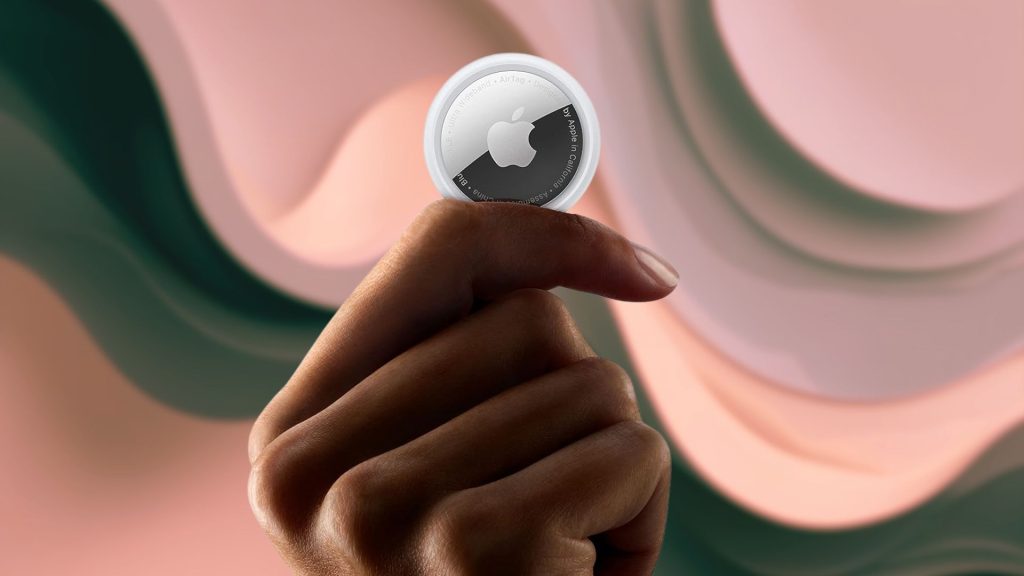
Apple has introduced the second-generation AirTag with a louder speaker, updated ultra-wideband hardware, and extended precision finding range, but the new tracker won’t play well with all models of iPhone.
The updated AirTag arrives nearly five years after the original launch and reflects Apple’s broader shift toward tighter hardware integration, where newer features increasingly rely on recent chips and operating system support.
To pair with the second-generation AirTag, users need an iPhone running iOS 26 or later or an iPad running iPadOS 26, which limits basic compatibility to iPhone models released from 2019 onwards.
That software requirement means the new AirTag works with the iPhone 11, iPhone 11 Pro, iPhone 11 Pro Max, iPhone SE (2020), iPhone 12 mini, iPhone 12, iPhone 12 Pro, and iPhone 12 Pro Max.
Apple supports the tracker on all variants of iPhone 11, iPhone 12, iPhone 13, iPhone 14, iPhone 15, iPhone 16, and iPhone 17, including Pro, Pro Max, Plus, mini, SE models, and the iPhone Air.
Apple no longer sells the original AirTag through its own store, meaning, owners of older iPhones must rely on third-party retailers to find first-generation units that continue to function normally.
Ultra-wideband performance differences
The second-generation AirTag includes a newer ultra-wideband chip that extends Precision Finding distance by roughly 50 percent, reflecting Apple’s focus on spatial awareness features across recent iPhone hardware generations.
To access this extended range, users need an iPhone equipped with the latest ultra-wideband hardware, which includes devices from the iPhone 15, iPhone 16, and iPhone 17 families, alongside the iPhone Air.
The iPhone 16e lacks the newer ultra-wideband implementation, which prevents it from accessing the longer Precision Finding range despite supporting pairing and standard tracking features.
Older supported iPhones can still use Precision Finding, but those devices operate within the original AirTag’s effective range, which typically reaches around nine metres under favourable conditions.
This tiered experience mirrors similar limitations seen with features like spatial audio and advanced camera processing, where Apple enables baseline functionality broadly while reserving performance gains for newer hardware.
The second-generation AirTag is available now for the same £29/$29 as the first-gen tracker, while feature availability depends on both iOS version and iPhone hardware rather than purchase date alone.
The post Apple’s new AirTag won’t work with all iPhones — check if yours is compatible appeared first on Trusted Reviews.