

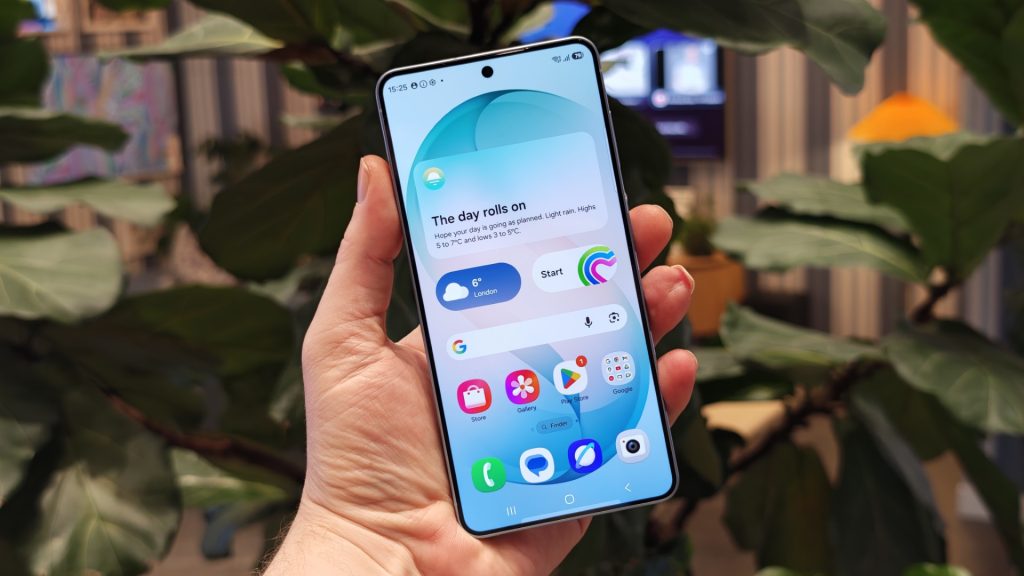
Samsung has clarified confusion surrounding the display specs of its new Galaxy S26 lineup.
As reported by Sammobile, the company confirmed that all three models use 8-bit panels, not 10-bit as previously suggested during early briefings.
At launch, Samsung indicated that the Samsung Galaxy S26 Ultra would feature a 10-bit display – an upgrade from the 8-bit panel used in the Samsung Galaxy S25 Ultra.
However, a company spokesperson has since corrected that information. They stated that the S26 Ultra in fact ships with an 8-bit display. Samsung also confirmed the same applies to the Samsung Galaxy S26 and Samsung Galaxy S26+.
For buyers who pre-ordered expecting a native 10-bit panel, that’s not insignificant. A true 10-bit display can render up to 1.07 billion colours. In contrast, an 8-bit panel can display 16.7 million colours. In practical terms, that usually means smoother gradients and less visible colour banding.
Interestingly, early hands-on reports suggested the S26 Ultra showed reduced banding compared to its predecessor. If the hardware remains 8-bit, Samsung is likely relying on frame rate control (FRC). This is often referred to as 8-bit+FRC. It simulates the smoother output of a 10-bit panel by rapidly alternating pixel shades.
That approach isn’t uncommon in high-end displays, but it isn’t the same as native 10-bit support. And given the mixed messaging from different Samsung representatives, the situation has understandably raised eyebrows.
For now, the safest assumption is that the entire Galaxy S26 series sticks with 8-bit panels, even if software tricks are helping narrow the visual gap. Whether that’s a deal-breaker will depend on how much you value colour precision. Still, it’s a reminder that spec sheets still matter.
The post 8-bit or 10-bit? Samsung confirms Galaxy S26 display confusion appeared first on Trusted Reviews.