
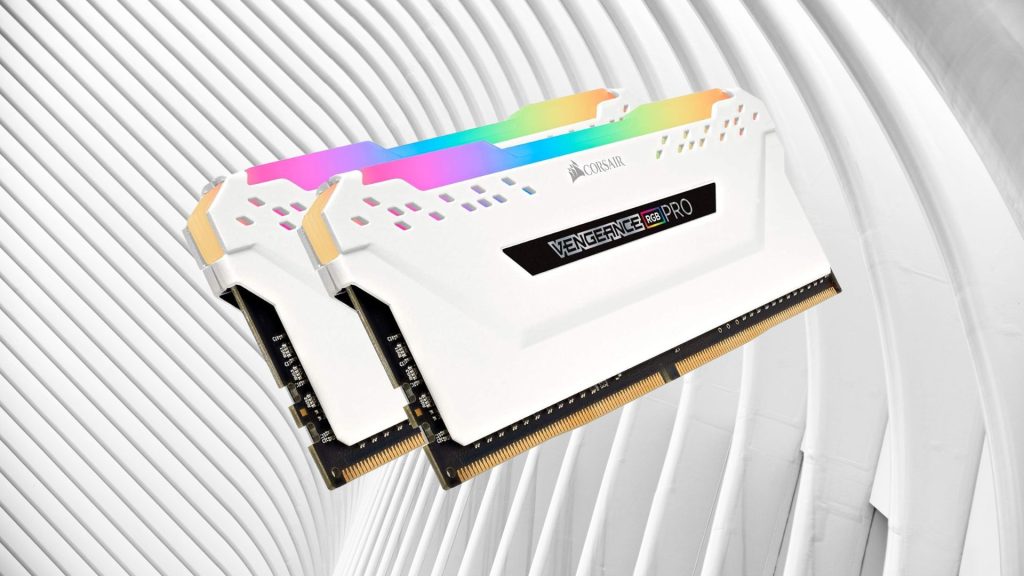
Anyone hoping that memory prices would finally settle down may want to brace themselves. According to new reports, Samsung has raised the contract price of DDR5 memory by more than 100%, citing a simple but alarming reason: there’s “no stock”.
The sudden hike reportedly pushes DDR5 contract pricing – the wholesale price manufacturers give to PC builders – per unit close to the $20 mark, a dramatic jump that signals just how tight supply has become.
More concerning is that this doesn’t appear to be an isolated spike. Taiwanese media suggests that spot prices for DDR5 climbed even further in December, defying earlier expectations of a gradual correction toward the end of the year.
DDR4, once seen as the more affordable fallback, isn’t being spared either. Contract prices for 16GB DDR4 modules are also said to be rising sharply, leaving manufacturers with fewer options to keep costs down. In short, the safety net is disappearing just as demand for memory-heavy devices continues to grow.
While Samsung’s pricing decisions directly affect OEMs rather than consumers, history suggests the impact won’t stop there. Laptop makers are likely to pass these costs on through higher prices in 2026, potentially trimming RAM in entry-level configurations to compensate. That could mean base models shipping with less memory than buyers expect — or paying more to upgrade.
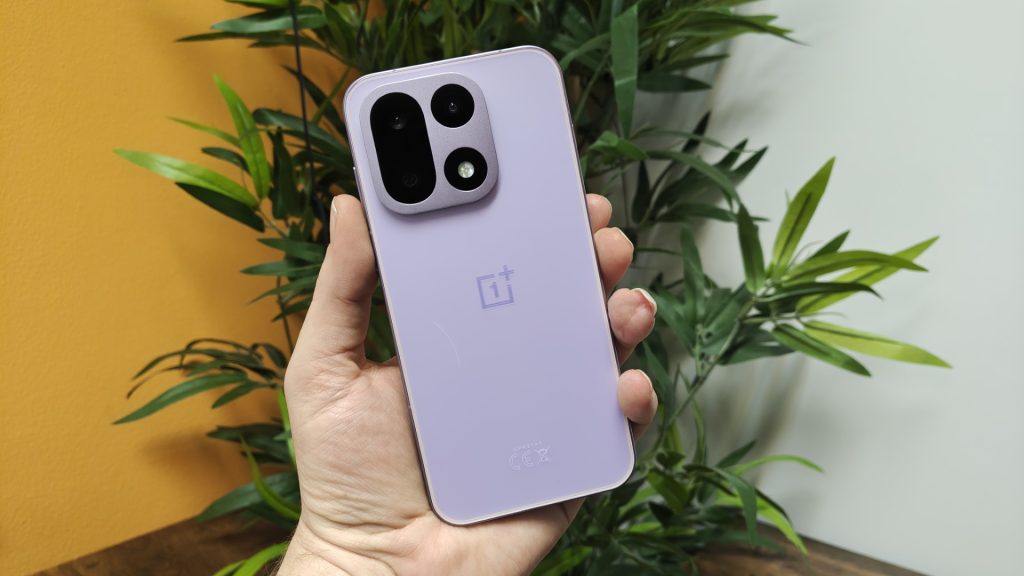
Smartphones may feel the knock-on effects too. With on-device AI features pushing RAM requirements ever higher, brands like Apple and Samsung could face tough choices between absorbing costs or raising prices across future lineups.
For consumers, the timing isn’t ideal. If you’re planning to buy a new laptop, desktop, or even upgrade your system memory, waiting may not be the best move. With no clear signs of relief and analysts pointing to continued pressure into 2026, RAM prices look set to remain a headache — and a costly one — well into the next product cycle.
The post We’re in for a worrying time with the increase in RAM prices appeared first on Trusted Reviews.