
Apple’s long-rumoured plan to hide Face ID beneath the display could finally become reality with next year’s iPhone 18 Pro lineup, though, in classic Apple fashion, the change may be more subtle than it first sounds.
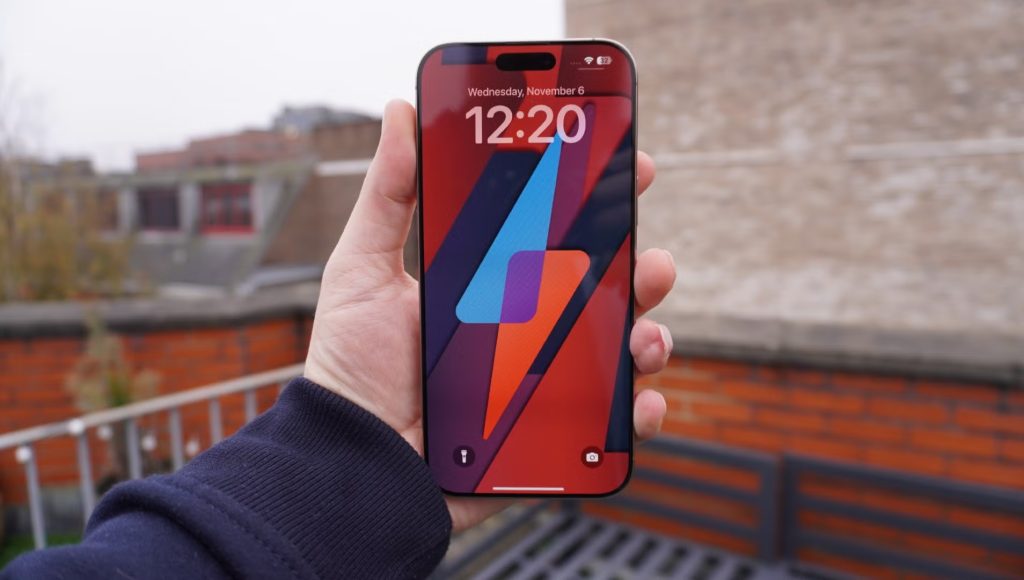
According to a new report via The Information, the iPhone 18 Pro and Pro Max could adopt under-display Face ID sensors, allowing Apple to further reduce visual clutter on the front of the phone.
Rather than going fully invisible, however, the front-facing camera is said to be shifting to the top-left corner, suggesting Apple is still prioritising image quality over symmetry when it comes to selfies and video calls.
This wouldn’t be a dramatic redesign on the scale of this year’s revamped rear camera island on the iPhone 17 Pro, but it would mark a meaningful step in Apple’s slow march toward a cleaner, more uninterrupted display. Under-display Face ID has been talked about for years, yet the technical hurdles, particularly around reliability and security, likely explain why Apple has taken its time.
Elsewhere, the report points to camera upgrades that could have a more tangible impact on everyday photography.
Apple is once again tipped to introduce a variable aperture for the iPhone 18 Pro’s main camera, paired with a larger rear sensor. Unlike earlier rumours, this combination actually makes sense: a bigger sensor would allow a variable aperture to better manage light intake, improve low-light performance, and give Apple more control over depth of field without leaning as heavily on computational tricks.
Under the hood, the iPhone 18 Pro is also expected to debut Apple’s A20 Pro chip, reportedly built using TSMC’s 2nm packaging technology. Integrating RAM directly into the system-on-a-chip could lead to noticeable gains in performance and efficiency, while also freeing up internal space, something that may be increasingly important as Apple experiments with new hardware layouts.
Taken together, these changes suggest Apple isn’t chasing headline-grabbing redesigns for 2026, but instead refining key areas that users interact with every day. If under-display Face ID works as seamlessly as Apple hopes, it could end up being one of those upgrades you barely notice, until you try to go back.
The post Face ID tech could go under-display on next year’s iPhone appeared first on Trusted Reviews.