

Samsung looks to be going all-in on 2nm chip production, a move that could start to loosen Qualcomm’s grip on future Galaxy phones.
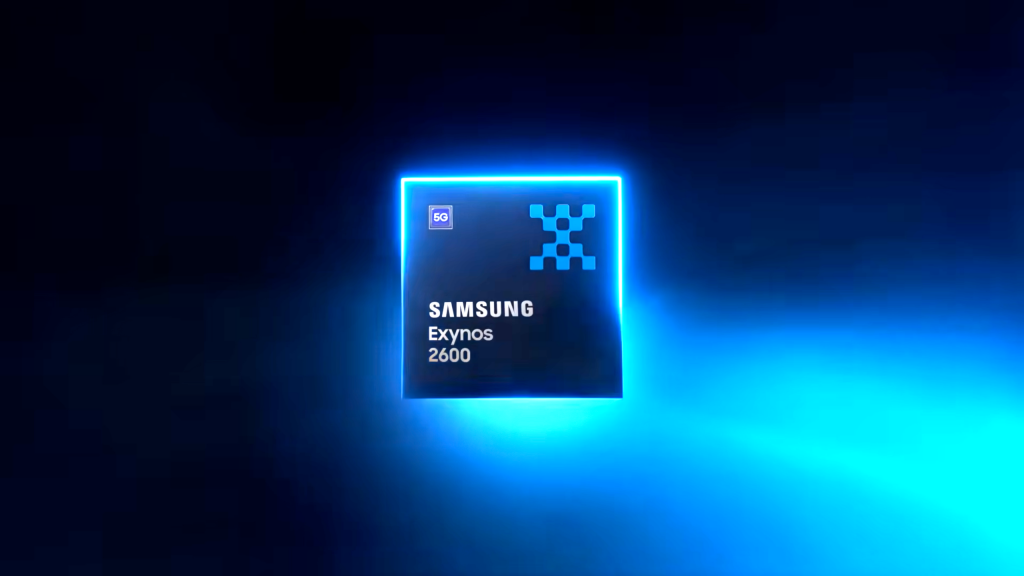
While the upcoming Galaxy S26 is expected to debut Samsung’s first 2nm processor, the Exynos 2600, new reports suggest the company is already lining up its successor for mass production.
According to Korean outlet Hankyung, Samsung plans to begin mass production of the Exynos 2700 in the second half of 2026. Analysts at Kiwoom Securities believe the chip could power around half of the Galaxy S27 lineup, expected to land in 2027.
If that happens, it would mark a major shift away from Qualcomm-powered flagships and, by extension, from TSMC-manufactured chips.
That doesn’t mean Samsung is cutting ties with Qualcomm just yet. Current reports suggest Samsung’s 2nm yield sits at around 50%, compared to Qualcomm’s reported 65% via TSMC. Until Samsung can close that gap, Qualcomm is likely to remain part of the picture. At least for certain markets and models, that remains true.
Still, the ambition is clear. The Exynos 2700 — reportedly codenamed Ulysses — is expected to feature a deca-core CPU, an Xclipse 970 GPU, and support for next-gen standards like LPDDR6 RAM and UFS 5.0 storage. Importantly, all are built on Samsung’s 2nm SF2P process. On paper, at least, it’s shaping up to be a serious flagship contender.
The bigger story, though, is what this means for Samsung as a whole. Launching the Exynos 2600 ahead of rivals would make Samsung the first company to bring a 2nm chip to market. This would beat both Qualcomm and MediaTek, while also giving Samsung more control over its hardware stack, echoing strategies used by Apple and Google.
There’s also a geopolitical angle. With US tariffs still influencing supply chains, Samsung’s growing manufacturing presence could make it an attractive alternative for companies looking to reduce reliance on TSMC. That’s a long-term play, and one that hinges heavily on Samsung improving its yield rates.
For now, Samsung’s 2nm push feels like a statement of intent. Qualcomm may still be the safer option today. However, Samsung is clearly positioning Exynos as a serious rival again — and this time, the stakes are much higher.
The post Samsung is getting serious about 2nm chips to take on Qualcomm appeared first on Trusted Reviews.