

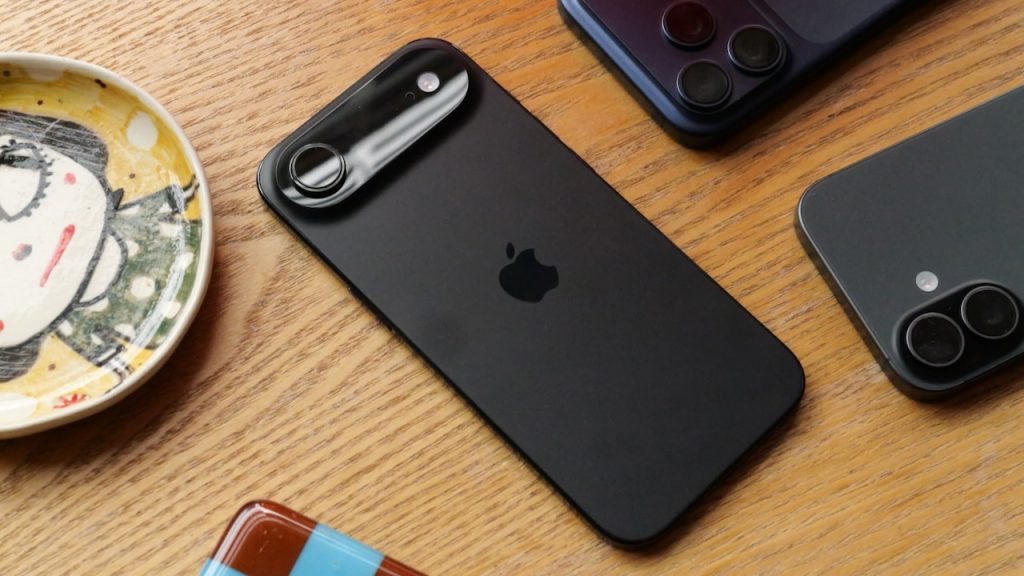
Apple’s manufacturing design team is developing a process to 3D print aluminium chassis components for future iPhone and Apple Watch models, according to Bloomberg’s Mark Gurman, extending a technique the company has already quietly deployed across several recent products.
The move follows Apple’s use of 3D printing for the titanium shell of the Apple Watch Ultra 3, the Apple Watch Series 11, and the USB-C port on the iPhone Air, establishing a manufacturing foundation the company now appears confident enough to scale toward its highest-volume product lines.
Aluminium presents a more complex challenge than titanium, given the material’s different structural and thermal properties, but a successful transition would give Apple the same core advantages it has already realised with titanium, including reduced raw material waste, lower production costs, and a path toward using recycled source material across more of its hardware.
The environmental dimension carries weight beyond cost reduction, with 3D printing generating significantly less material waste than traditional forging and machining processes that remove large amounts of metal to arrive at a finished chassis shape.
The Apple Watch Ultra 3 demonstrated that 3D printing unlocks manufacturing possibilities beyond cost savings alone, with the process allowing textures to be printed in locations previously inaccessible through forging, which improved the bonding between plastic and metal in the antenna housing to enhance water resistance in cellular models.
The iPhone Air’s thinner USB-C port similarly depended on 3D printing to achieve its dimensions, with conventional manufacturing reportedly unable to produce the component at the thickness the device required, suggesting the process has already influenced form factor decisions rather than simply reducing the cost of existing designs.
Apple’s recently launched MacBook Neo also adopts a cost-reduced aluminium manufacturing approach that uses 50% less metal than traditional processes, though that method stops short of 3D printing, pointing to a broader internal push across multiple product lines to reduce material consumption without resorting to plastic chassis construction.
Apple’s existing 3D printing process for Apple Watch already saves an estimated 400 metric tons of raw titanium annually, giving the company a proven environmental and cost case for expanding the technique to aluminium and higher-volume products.
However, no timeline has been confirmed for 3D-printed aluminium across iPhone or Apple Watch, with Apple’s manufacturing design and operations teams still in active development on the process, according to Gurman’s reporting.
The post Apple is planning to 3D print the chassis for future iPhones and Apple Watches appeared first on Trusted Reviews.