

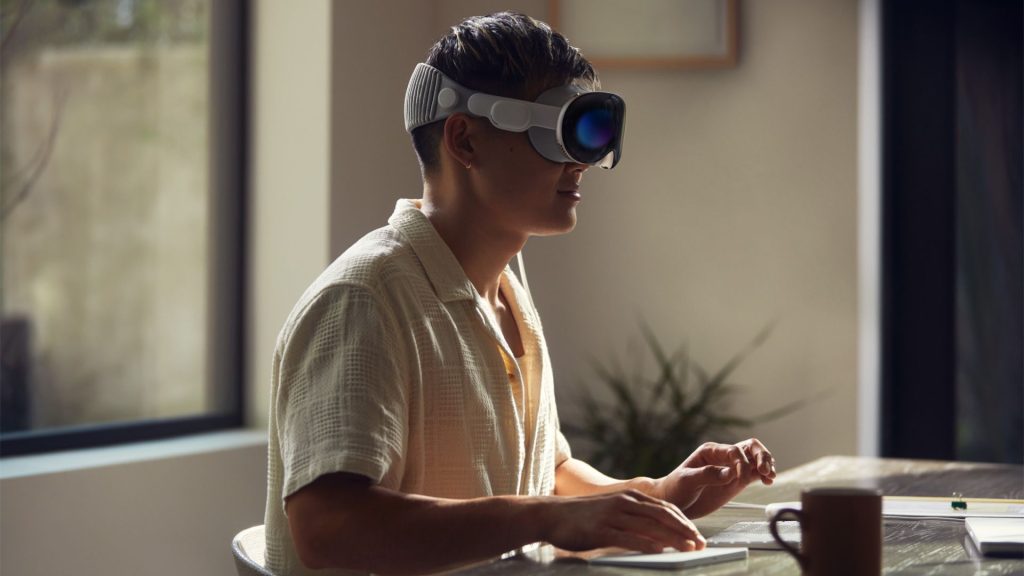
Apple’s big push into spatial computing isn’t quite going the way it planned.
According to a new report from MacRumors, Apple is effectively winding down the Vision Pro internally. There is no clear next-generation model currently in development, and Apple has already reassigned key teams to other projects.
That doesn’t mean the headset has been formally discontinued. The M5 version is still on sale for $3,499. Internally, however, the momentum has clearly shifted. Engineers who worked on Vision Pro have now moved across other Apple initiatives, and the original roadmap for a follow-up has quietly stalled.
The timing is telling. The refreshed M5 Vision Pro, released in late 2025, was supposed to be the device’s second act. It promised a faster chip, improved comfort strap, and display refinements aimed at addressing early criticism. But it didn’t change the overall picture. Sales reportedly remained weak, with estimates suggesting only around 600,000 units sold in total. In fact, return rates for the product are reportedly unusually high for a modern Apple device.
At the core of the problem is something hardware upgrades couldn’t really fix. The Vision Pro was always ambitious, but also heavy, expensive, and physically demanding to use for long sessions. Even with its impressive display and tracking capabilities, asking users to wear a $3,500 headset for extended periods proved to be a tough sell in everyday life.
A lighter, more affordable model, reportedly known internally as Vision Air, could have been a reset moment for the category, but the company has shelved that project as well. That leaves Apple without a clear consumer-facing path forward in mixed reality, at least for now. Moreover, even Mike Rockwell, the former Vision Pro lead, has moved on to head Apple’s Siri efforts.
Instead, Apple appears to be shifting its attention elsewhere. The company is now focusing on smart glasses, a more lightweight and socially acceptable form factor that prioritises wearability over full immersion, with early versions expected to ship without a built-in display. This signals a more cautious approach compared to the Vision Pro’s high-end ambitions.
It’s also worth noting that the power and heat constraints of smart glasses make it difficult to reuse much of Vision Pro’s underlying technology in them. So rather than evolving the headset, Apple is effectively starting over in a different category entirely.
For a product once positioned as the future of computing, the Vision Pro now looks less like the beginning of a new platform and more like an expensive detour.
The post Apple’s Vision Pro looks like it has reached the end of the road appeared first on Trusted Reviews.