

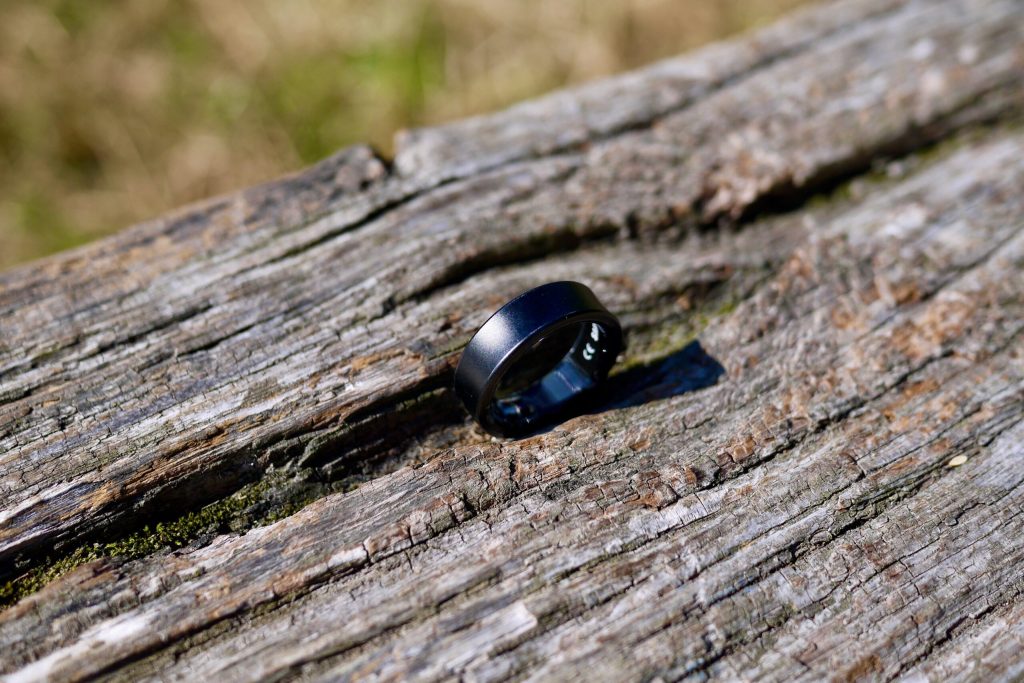
Samsung is giving its Galaxy Ring a major health-tracking upgrade with an improved sleep apnea detection feature that can now identify how often users experience breathing disruptions during sleep.
The update builds on Samsung’s original sleep apnea detection technology, which received FDA authorisation in February 2024 and focused on identifying signs of moderate to severe obstructive sleep apnea.
The upgraded version goes further by using AI to measure breathing disruptions per hour, giving users a clearer picture of potential sleep-related problems rather than simply flagging whether they might be at risk.
To use the feature, users need to wear the Galaxy Ring while sleeping for at least five hours on two nights within ten days. Samsung’s Health Monitor app then analyses the collected data and provides information about whether breathing disruptions are mild, occasional or frequent. This could be particularly useful for people who regularly wake up feeling tired despite getting what appears to be a full night’s sleep.
However, Samsung is careful to point out that the feature isn’t intended to replace a medical diagnosis. While it can help identify potential warning signs, only a qualified healthcare professional can diagnose sleep apnea. Instead, the company hopes the additional information will encourage users to seek medical advice when necessary.
The approval also gives Samsung an advantage over competing smart rings. Neither Oura nor Superhuman currently offers FDA-approved sleep apnea detection, although both provide sleep-tracking features that can highlight nighttime disturbances. Samsung and Oura are also involved in an ongoing patent dispute concerning smart ring technology, with a preliminary decision expected later this month.
Beyond the Galaxy Ring, the upgraded feature is also available on the Galaxy Watch 9 running Wear OS 7.0 or later, with support for the Galaxy Watch 7 and Watch 8 expected through future software updates. It follows Samsung’s recent improvements to its Sleep Coaching feature, which now requires just three days of sleep data, making personalised sleep guidance more accessible.
The post Samsung Galaxy Ring gets approval for advanced sleep apnea detection appeared first on Trusted Reviews.