

Apple is giving its accessibility tools a major AI upgrade later this year. Unlike a lot of flashy AI announcements lately, these changes actually feel genuinely useful.
The company has previewed a range of new accessibility features powered by Apple Intelligence. These bring smarter tools to VoiceOver, Magnifier, Voice Control, and Accessibility Reader across iPhone, iPad, Mac, Apple TV, and Vision Pro.
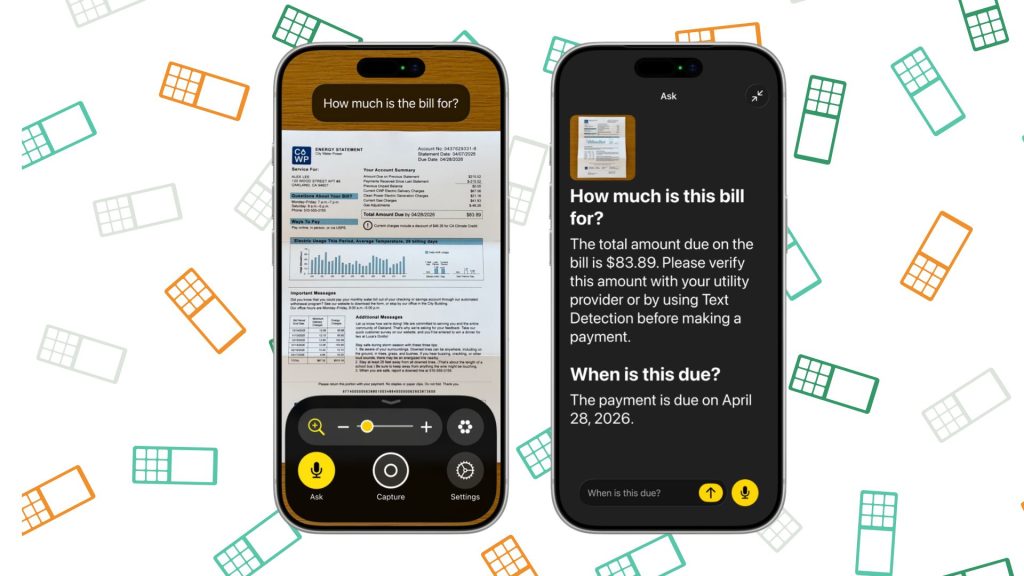
The biggest improvements seem focused on helping users better understand what’s happening on-screen and around them in real time. For example, VoiceOver will now use Apple Intelligence to generate much more detailed image descriptions. These include photos, scanned documents, and even bills or personal records.
<!–
–>
Apple is also adding a new “ask what’s around you” style feature. Users can point their iPhone camera at something and press the Action Button. Then they can ask follow-up questions naturally to get more context about objects or surroundings. It feels a bit like visual AI assistants we’ve seen elsewhere recently. However, Apple built it directly into its accessibility tools instead of offering it as a standalone chatbot.
Magnifier is getting similar upgrades too, with support for spoken commands like “zoom in” or “turn on flashlight”. This comes alongside AI-powered visual descriptions.
Meanwhile, Voice Control is becoming far more conversational. Instead of memorising exact labels or commands, users will be able to say things like “tap the purple folder” or “open the restaurant guide” to navigate apps naturally. It sounds like a small change. Still, for users relying on voice navigation every day, this could make iPhones feel much less rigid.
Apple is also finally tackling one surprisingly common problem: videos without captions. Later this year, devices will automatically generate subtitles for uncaptioned videos using on-device speech recognition. This includes personal videos, clips shared by friends, and streamed content.
Apple also tied some of the more ambitious updates to Apple Vision Pro. Apple says users with compatible power wheelchair systems will be able to control their chairs using Vision Pro’s eye-tracking technology. This feature is clearly aimed at users with severe mobility limitations.
Importantly, Apple keeps leaning hard into on-device processing and privacy throughout all of this. That’s becoming one of the company’s main AI talking points. Especially as rivals continue pushing cloud-heavy AI assistants that rely more heavily on user data.
All of these new accessibility features are expected to roll out later this year.
The post Apple’s accessibility features just got a smarter AI boost ahead of iOS 27 appeared first on Trusted Reviews.