

It’s become an almost daily occurrence where an image pops up online and there’s debate surrounding whether it’s real or AI. Apple wants to help to prove when photos are real.
Apple’s new Apple Reference Image system is designed to act like a digital negative for iPhone photos, creating a verifiable record that an image matches what the camera captured rather than something generated or altered by AI.
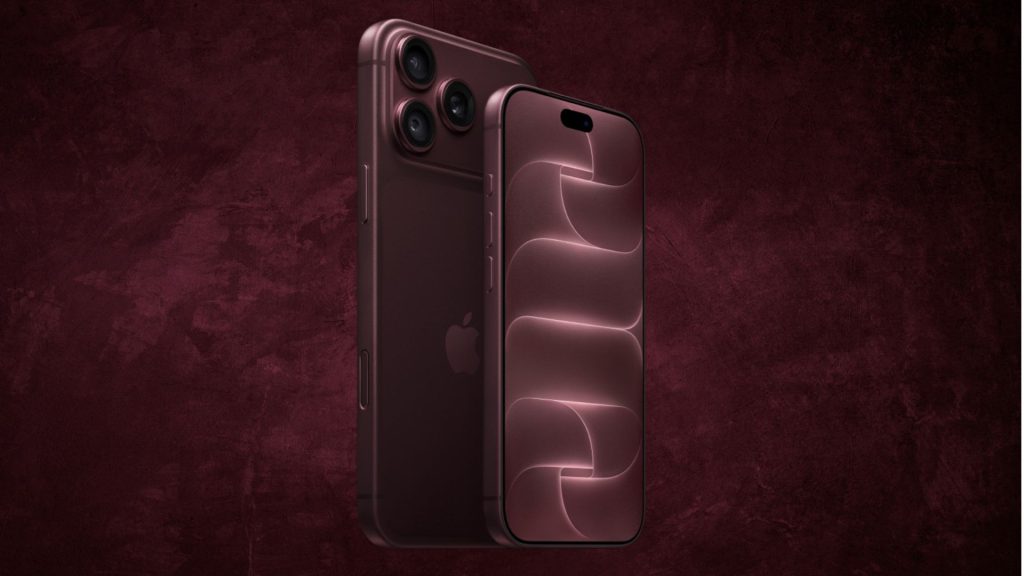
Introduced alongside the iPhone 18 Pro, Reference Image helps to tackle the growing problem that realistic-looking photos are becoming harder to distinguish from AI-generated images. Apple says simply making a photo look authentic is no longer enough, particularly because modern phones already process images heavily before users see the final result.
The system starts before that processing happens. The camera sensor boots into a specialised Reference Camera mode, which cryptographically signs the pixel data immediately after capture and prevents the sensor firmware from modifying it. Sensor-generated metadata is signed at the same time, while information added elsewhere, such as digital zoom, is signed by the iPhone’s Secure Enclave.
Rather than signing the finished photo, Apple then treats this original data as a secure digital negative. Private Cloud Compute (PCC) handles processing such as tone mapping and compression before producing the visible Reference Image. Apple says experts can verify that this process hasn’t altered the underlying negative, while PCC’s production software is recorded in a cryptographically tamper-proof transparency log.
Apple has also designed the system to withstand attempts to compromise the hardware or software. The sensor creates its own cryptographic identity when first initialised at the factory, while the Secure Enclave creates another. The two are bound together so the system can verify they’re from the same device.
There’s even a revocation system if something eventually goes wrong. PCC assigns a confidence score based on the raw sensor output, allowing Apple to revoke individual photos or images from a compromised sensor.
Privacy is another key part of the system. Reference Image doesn’t require photographers to attach their identity to a photo, and Apple says PCC prevents it from accessing the image data. Timestamping requests also use Oblivious HTTP to limit network information such as the requesting device’s IP address.
The result is Apple’s attempt to make a photo verifiable without requiring you to simply trust the person who took it. It won’t stop AI image editing, but it could make it much easier to establish whether an image still has a trustworthy chain back to the iPhone camera.
The post Apple’s new Reference Image tool is fighting back against AI photo edits – here’s how appeared first on Trusted Reviews.