

Microsoft appears to be quietly moving away from the Copilot+ PC name after spending the past couple of years pushing it as a way to identify Windows laptops with built-in AI capabilities.
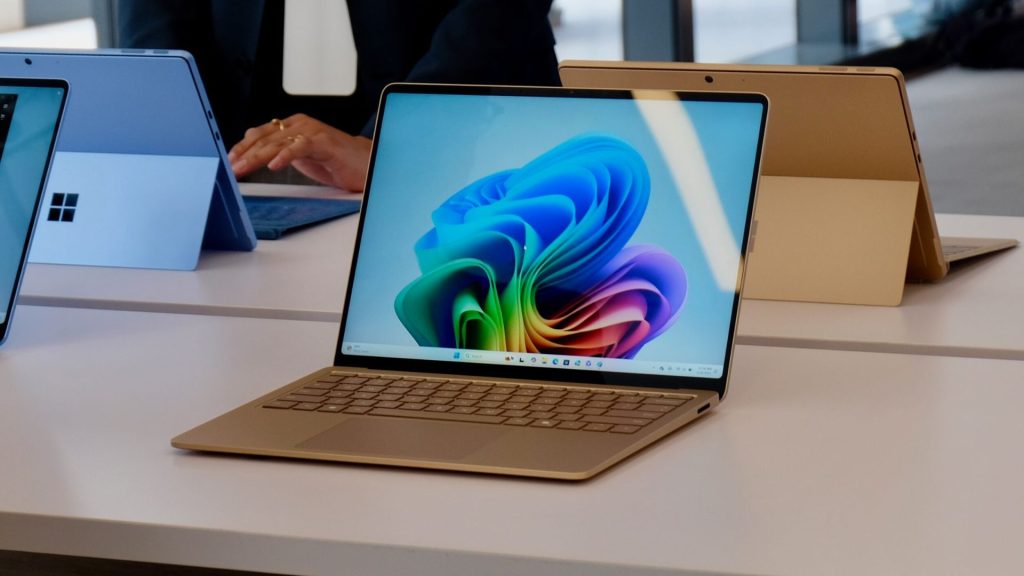
The change was spotted on the latest Surface machines, which meet the same hardware requirements previously associated with Copilot+ PCs but don’t carry the branding. Speaking to Windows Central, Surface CVP Brett Ostrum stopped short of explicitly saying the programme was ending, but made the change fairly clear.
Ostrum added that the new Surface devices still meet the previous requirements for Copilot+ devices and that Microsoft remains focused on “AI on the edge” and hybrid computing. In other words, the hardware requirements aren’t necessarily going anywhere; it’s the branding that appears to be on its way out.
Microsoft introduced the Copilot+ PC label in 2024 as a way of separating Windows laptops with hardware capable of running its newer AI features. A key part of that specification was the inclusion of a neural processing unit (NPU), designed to handle AI workloads locally rather than sending everything to the cloud.
The problem is that the NPU requirement has become less useful as a differentiator. Many mid-range and high-end laptops now include one, meaning the Copilot+ badge has increasingly become more of a hardware checkbox than something that tells shoppers exactly what they’ll get.
The branding also became closely associated with Recall, Microsoft’s AI feature that records snapshots of activity on a PC so users can search through what they’ve previously done. Recall faced significant backlash when it was first announced, putting a bit of a cloud over Microsoft’s broader Copilot+ push.
Windows Central also points out that Nvidia’s RTX Spark push hasn’t mentioned Copilot+ PC branding either, suggesting the shift may extend beyond Microsoft’s own Surface hardware.
The post Microsoft dropping Copilot+ PC branding makes sense when every machine is AI-capable appeared first on Trusted Reviews.