

With the world’s memory supply tightening fast, the rising cost of laptops, phones and other gadgets may only just be beginning.
According to DigiTimes, the world’s three biggest suppliers of DRAM and high-bandwidth memory (HBM) have already committed all of their production capacity for 2027. In addition, NAND flash, which is used in SSDs and smartphone storage, isn’t far behind. Most of the available supply is also expected to be fully booked before the end of August.
The report says Samsung Electronics, Micron and SanDisk have already sold out their NAND production for next year. Meanwhile, Kioxia and SK Hynix are expected to finalise contracts by the end of the month. Buyers have reportedly agreed to make advance payments to secure supply, highlighting just how competitive the market has become.
The shortage is being driven largely by the AI boom. Cloud providers and hyperscalers continue to build massive data centres packed with AI hardware, creating unprecedented demand for memory chips. At the same time, expanding manufacturing capacity takes years, leaving supply unable to keep pace with demand.
That imbalance has already had a knock-on effect on consumer electronics. Throughout 2026, memory manufacturers prioritised large cloud infrastructure customers that were willing to pay significantly higher prices. This has squeezed smartphone makers, PC manufacturers and smaller hardware companies.
The report warns that 2027 could be the most severe period yet, with AI companies and cloud providers continuing to receive priority allocations. As a result, consumer brands may have access to fewer chips. The memory they can secure is likely to cost considerably more.
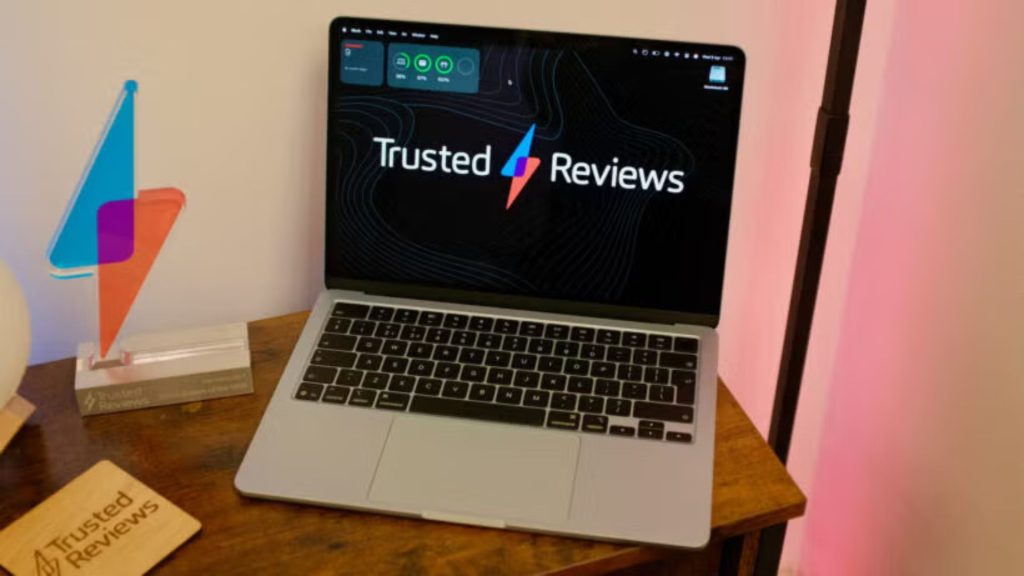
Apple has already felt the impact. The company raised prices across several products earlier this year. Meanwhile, recent reports have pointed to MacBook Air shortages linked to constrained memory supplies. The report also suggests Apple, like other manufacturers, is continuing to negotiate aggressively to secure enough capacity for future products.
For consumers, the takeaway is fairly straightforward. Unless memory production expands significantly or demand for AI infrastructure begins to slow, higher component costs are likely to continue feeding through into the prices of smartphones, laptops, and other tech throughout 2027.
The post RAM is sold out worldwide – no wonder tech is so expensive appeared first on Trusted Reviews.