

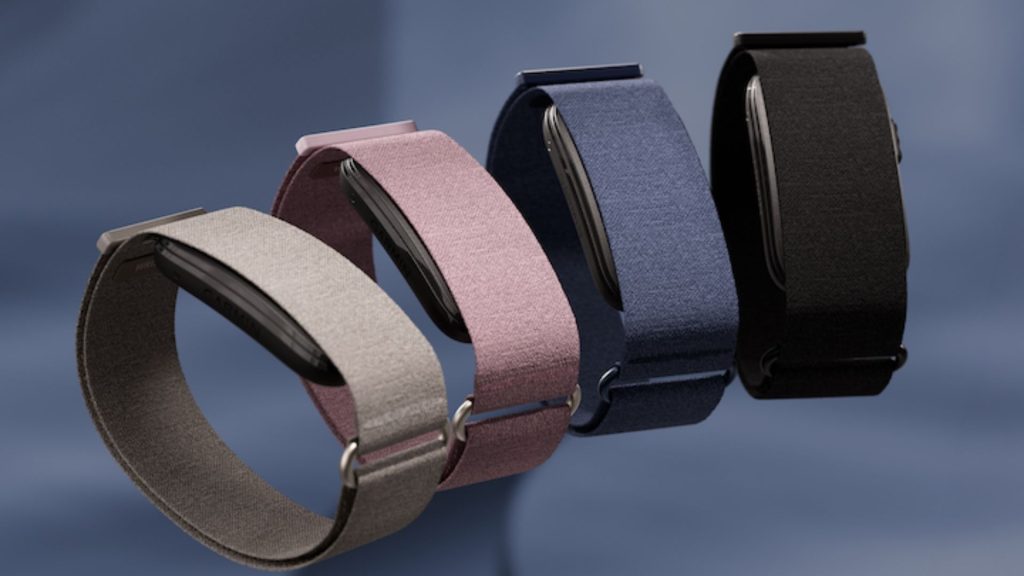
Garmin has shed more light on the thinking behind its unusual new Cirqa Smart Band, explaining why it opted for an older heart rate sensor and whether it makes sense to wear the screen-free tracker alongside one of its smartwatches.
The company unveiled the subscription-free wearable last week as its first display-free fitness band. The device promises up to 10 days of battery life and access to health and fitness insights through the Garmin Connect app – though unlike rivals, it does not lock features behind a monthly fee.
Now, Garmin product manager Chrissy Wheeler has answered some of the biggest questions in an interview with Forbes.
One of the most surprising decisions was Garmin’s use of its older Elevate 4 optical sensor instead of the newer Elevate 5 found in recent flagship watches. According to Wheeler, that choice was deliberate rather than a cost-cutting measure.
Garmin says the newer sensor would have required a larger housing, making the tracker less comfortable to wear. Since Cirqa is designed to disappear into the background and stay on your wrist all day and night, comfort is important. Therefore, keeping the pod as compact as possible took priority over using the latest sensor.
If you were hoping to pair Cirqa with a Garmin smartwatch for even more detailed tracking, however, the company says there’s little benefit. Wheeler explained that when both devices are worn together, Garmin only uses data from one device during activities. This means users won’t gain any extra fitness insights by doubling up.
Garmin also revealed a few lesser-known details about how the wearable works. The built-in vibration motor isn’t just for silent alarms – it can also remind users if they’ve manually started a workout but haven’t finished it.
Meanwhile, unlike some rival screen-free fitness trackers, Cirqa can tap into a connected smartphone’s GPS even during automatically detected workouts. This allows it to record distance without requiring users to manually start an activity.
Behind the scenes, Garmin designer Collin Murray also shared prototype images on LinkedIn. These revealed the company tested numerous pod shapes, wristbands and quick-release attachment systems before settling on the final design.
The early demand suggests Garmin’s approach has struck a chord. Initial stock has already sold out in some regions, with delivery estimates reportedly stretching into late August and early October.
Whether the minimalist concept proves as popular over the long term remains to be seen. However, Garmin appears confident that keeping the experience simple – and subscription-free – will be a key selling point.
The post Garmin explains Cirqa’s older sensor and how to use it with your smartwatch appeared first on Trusted Reviews.